Meetings Have Quality — Most Teams Just Don't Measure It
You track code quality, customer satisfaction, and sprint velocity. But the thing your team spends 15–30 hours a week doing — meetings — goes completely unmeasured. You know when a meeting was bad. You can feel it. But "it felt unproductive" is not actionable feedback.
Meeting scoring changes that by applying structured measurement to every meeting your team has.
How Meeting Scoring Works
After each meeting, Beaver AI analyses the transcript and generates a quality score across multiple dimensions:
- Decision density: Were decisions actually made, or did the meeting end without resolution?
- Talk balance: Did one person dominate, or was the conversation distributed?
- Action completion: Are action items from previous meetings being completed?
- Commitment follow-through: Are people keeping the promises they made?
- Engagement: Was the conversation substantive and on-topic?
Each dimension is scored individually, and an overall meeting quality score is calculated. Over time, these scores reveal patterns that are invisible in any single meeting.
What the Scores Tell You
Low decision density: Your meetings are discussions, not decision-making sessions. Consider requiring a clear agenda with decisions to be made listed in advance.
Poor talk balance: One or two voices are dominating. Others may be disengaged or not given space to contribute. This is especially common in larger meetings.
Declining action completion: Meetings are generating action items that no one follows up on. This erodes trust in the meeting process itself.
Low commitment follow-through: People are making promises in meetings that are not being kept. This might indicate overcommitment, unclear ownership, or lack of accountability.
Trends Over Time
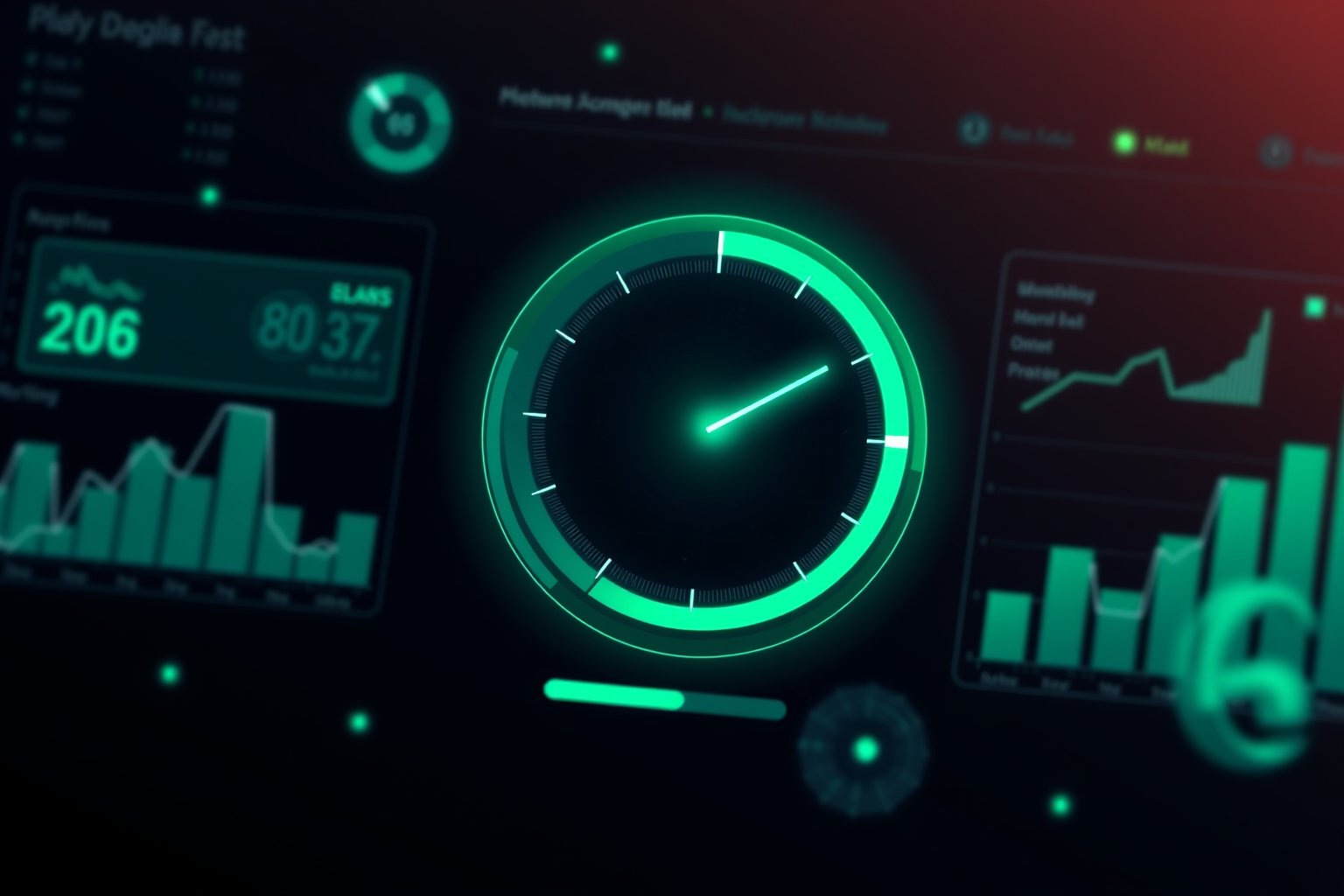
A single meeting score is interesting. A trend line across weeks and months is transformative. The Meeting Intelligence dashboard in Beaver AI shows how each dimension changes over time, so you can see whether interventions are working.
Did you introduce a "decisions required" section to your agenda template? Watch the decision density score over the next few weeks. Did you implement a round-robin format for standups? Track the talk balance trend.
Who Should See Meeting Scores
Meeting scores are most valuable for:
- Team leads and managers who want to improve meeting culture without micromanaging
- Facilitators who want to get better at running productive sessions
- Executives who want a high-level view of organisational meeting health
The scores are not about judging individuals. They are about giving teams the data they need to improve a process that consumes a significant portion of their working week.
See Your Scores
Meeting scoring is part of Beaver AI's Meeting Intelligence suite. Sign up for a free trial and start measuring what was previously unmeasurable.